In recent years, many people have wanted to have more privacy at home and search for a large piece of land. Here in the Shenandoah Valley, we routinely get people wanting to own pieces of land

Dated: May 1 2025
Views: 84

Property owners in the Shenandoah Valley of Virginia, usually with over 20 acres of forest land have a unique opportunity to reduce their property taxes through the Virginia Forest Stewardship Program. This program not only aids in environmental and woodland management but also offers significant economic advantages for participating landowners. Here, we'll dive into what the Forest Stewardship Program entails, including the responsibilities of maintaining such a program and potential disadvantages to consider.
What is the Virginia Forest Stewardship Program?
The Virginia Forest Stewardship Program is designed to assist landowners in effectively managing their forested properties to achieve specific environmental, recreational, and economic goals. With the support of professional foresters, landowners can develop personalized management plans that guide sustainable forestry practices tailored to their unique land characteristics and personal objectives. These goals may include improving and preserving wildlife habitats, sustainably harvesting timber, or even making the most of the land recreationally. Under the expert guidance of a forester, you maximize the benefits of enjoyment while prioritizing the forests ecological needs
Requirements for Participation
How do you get started? To engage in the Virginia Forest Stewardship Program, landowners must:
Own at least 20 acres of forested land capable of active management. *This requirement may vary based on your area*
Commit to implementing management practices outlined in the stewardship plan developed with professional foresters.
Maintaining enrollment in the Forest Stewardship Program involves several ongoing responsibilities. These are usually not difficult for a property owner to achieve. These responsibilities will be outlined in your management plan but they will include:
Regular Monitoring and Updates: Landowners must regularly monitor their forest's health and update their management practices as necessary to align with evolving environmental conditions and forestry practices.
Adherence to the Management Plan: Continuous adherence to the plan’s guidelines is crucial for meeting the program's conservation and sustainability goals.
Documentation and Reporting: Keeping detailed records of management activities and their outcomes is essential for demonstrating compliance with the stewardship plan and for assessing the program’s effectiveness.
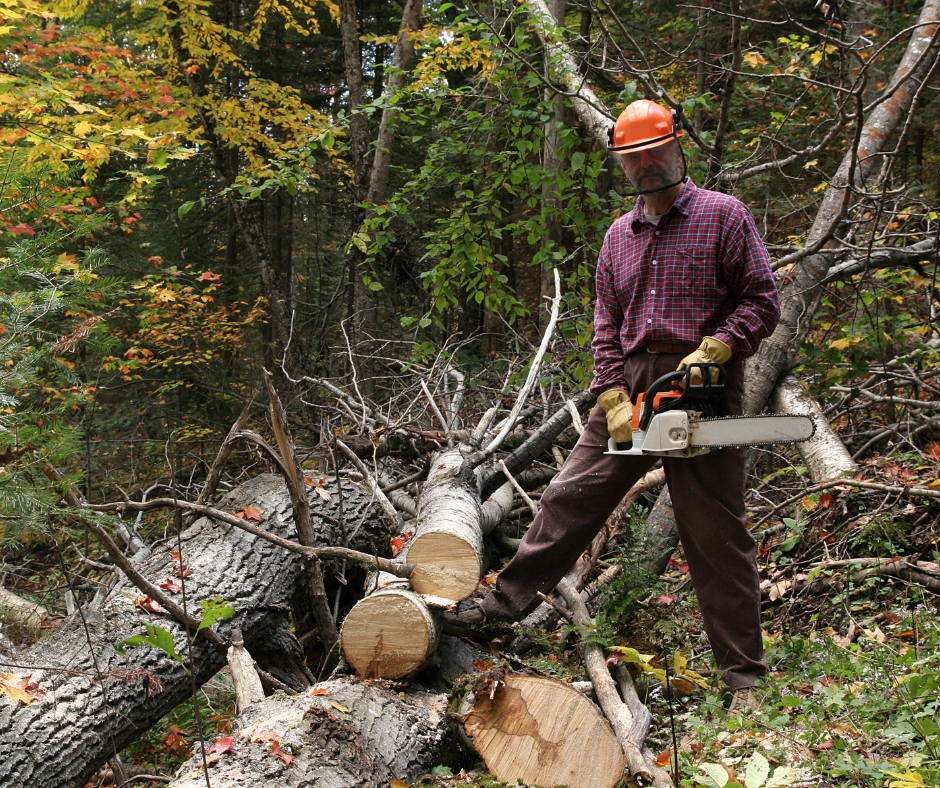
Property owners taking advantage of a Forestry Stewardship Program will see many benefits through the process. Some of those benefits come up quickly and others take some time to realize. Some of the benefits that can be expected include:
Reduced Property Taxes: By participating, property assessments shift from market value to use value, generally lowering taxes.
Enhanced Land and Timber Value: Sustainable management leads to healthier forests and potentially higher timber yields.
Environmental Conservation: The program supports biodiversity, enhances water and air quality, and preserves the scenic beauty of Shenandoah County.
While the benefits are significant, there are some potential disadvantages to consider:
Restrictions on Land Use: Conservation easements and management plans may restrict certain types of development or land use, which could limit future land use changes or commercial opportunities. This will be outlined when you set up your management plan with the help of the forester
Costs: There may be initial and ongoing costs associated with developing and implementing management plans, including fees for professional services and potential operational changes.
Commitment: The program requires a long-term commitment to maintaining specific land management practices, which might not align with all landowner goals or future plans.
Landowners interested in the program should take the following steps to get started:
Contact the Virginia Department of Forestry: To discuss eligibility and benefits.
Schedule a Site Visit: Arrange for a professional forester to assess the property and discuss potential management strategies.
Develop and Implement a Management Plan: Work with a forester to create and execute a plan tailored to your specific objectives and the ecological needs of your land.
The Virginia Forest Stewardship Program offers a valuable opportunity for Shenandoah Valley landowners to engage in sustainable forest management while receiving tax benefits. By understanding both the advantages and the commitments required, landowners can make informed decisions that align with their long-term property and conservation goals. Over time, enrollment in a Forestry Stewardship program can improve the value and quality of your land, save you money on your property taxes, and increase the overall enjoyment of your property.
Want to learn more?
Virginia Department of Forestry Website: Visit here for detailed information about the Forest Stewardship Program.
Local Extension Offices: These offices can provide additional resources, workshops, and guidance on sustainable forest management.

Growing up in a household where real estate was a daily conversation, I was naturally drawn to the industry. Now, as the Director of Sales for my family-owned brokerage, I am committed to providing se....
In recent years, many people have wanted to have more privacy at home and search for a large piece of land. Here in the Shenandoah Valley, we routinely get people wanting to own pieces of land
Property owners in the Shenandoah Valley of Virginia, usually with over 20 acres of forest land have a unique opportunity to reduce their property taxes through the Virginia Forest Stewardship
Nothing is worse than seeing something you worked hard for years to build be destroyed. As you begin the process of building and preserving wealth, understanding and managing risks is crucial. This
Real estate remains one of the most significant investments in one's personal portfolio. Beyond buying and selling properties, a real estate professional's role extends to being a strategic advisor
 © BRIGHT, All Rights Reserved
Information Deemed Reliable But Not Guaranteed
The data relating to real estate for sale on this website appears in part through the BRIGHT Internet Data Exchange program, a voluntary cooperative exchange of
property listing data between licensed real estate brokerage firms in which
participates, and is provided by BRIGHT through a licensing agreement.
The information provided by this website is for the personal,
non-commercial use of consumers and may not be used for any purpose other than to identify prospective properties consumers may be interested in purchasing.
Data last updated: September 27, 2026 3:18 PM UTC
Some properties which appear for sale on this website may no longer be available
because they are under contract, have Closed or are no longer being offered for sale.
Some real estate firms do not participate in IDX and their listings do not appear on this website. Some properties listed with participating firms do not appear on this website at the request of the seller.
Show More...
